A Designer's Review of the Opossum Coloring Page for Embroidery
As someone who stitches designs into physical products daily, I always look at a digital file with a practical eye. My first question is never "is this cute?" but "how will this look when it's actually stitched?" Today, I'm considering the Opossum Animal Coloring Page for Kids as a potential embroidery design asset. Let's walk through what makes it work, where it shines, and a few considerations before you load it into your machine.
The Immediate Mood and Project Fit
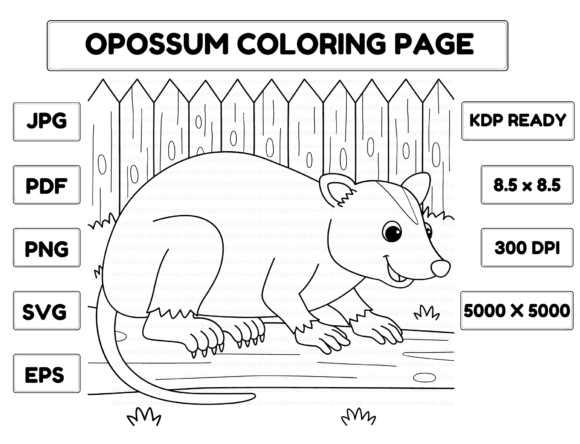
The moment you open this file, the mood is clear: friendly, approachable, and educational. The opossum's shape is rounded and simplified, with a gentle, curious expression. This isn't a hyper-realistic wildlife portrait; it's a character. This visual personality makes it a natural fit for projects aimed at children or with a whimsical, handmade feel. I immediately pictured it stitched onto a baby's bib or a nursery pillow cover. Its clean lines also suggest it would translate beautifully into an applique design, where fabric pieces could replace some of the colored areas.
Real-Life Embroidery Scenarios: Where This Design Thrives
Let's imagine a real case. I'm preparing a custom embroidered tote bag for a client who loves nature and wants a unique gift for a niece. The Opossum Animal Coloring Page for Kids comes to mind. On a natural canvas tote, this design would stitch out with a charming, illustrative quality. The level of detail is thoughtfully balanced—enough to give the opossum character, but not so dense that it becomes a stitching marathon on thicker fabric.
This balance makes it versatile. It would work well on custom apparel like sweatshirts or t-shirts, where a lighter stitch density is often kinder to the garment's drape. As a embroidered patch, it would be recognizable and fun. For small business merchandise—think kitchen towels, aprons, or simple pillow covers in a boutique—it offers a cohesive, nature-themed aesthetic. I can see it in a series with other animal coloring pages for a consistent craft business line.
Potential for High Visual Appeal and Customer Trust
When stitched, this design's clarity is its biggest strength. Clean outlines mean clean satin stitches or running stitches. That stitching clarity directly impacts product value and customer trust. A neat, well-defined opossum on a handmade product looks professional. It feels like a finished, intentional piece, not a blurry experiment. This builds brand consistency for an Etsy seller and increases giftability. A parent receiving a baby blanket with this sweet, clearly-stitched animal recognizes the care taken.
Careful Application: Where to Pay Extra Attention
While the design is forgiving, embroidery always demands context. On very small hoop sizes, some of the finer internal details might become too tight, risking puckering. Always test the design on scrap fabric first. On textured fabrics like terry cloth or thick wool, the simpler shapes will hold up better than intricate ones, but you'll need a robust stabilizer.
Dark fabric backgrounds require careful thread color contrast planning; the design's open areas need pops of light color. For curved surfaces like caps, the rounded overall shape is a benefit, but remember to check the design's orientation in your software. The most critical note: for any personalized gift or commercial embroidery project, you must confirm licensing before selling finished items. The product description notes it's ready for KDP, but for physical stitched products, always verify.
A Note on Stitch Density and Fabric Choice
The design appears to have areas meant for coloring, which in embroidery translate to fill stitch regions or applique fabric placements. On thin or stretchy fabric, large filled areas can be problematic. Consider using a lighter fill pattern or opting for the applique route. For products needing frequent washing, like baby clothes or kitchen towels, secure stitches and quality thread are paramount, but the design's uncomplicated structure makes durability easier to achieve.
Practical Designer Notes Before You Stitch
My workflow for a design like this always includes a few key steps. First, I test it in black and white mockups to see the pure shape without color distraction. Then, I compare light and dark fabric backgrounds digitally to plan my thread palette. I inspect the small details—like the opossum's ears and tail—in my software to ensure my chosen hoop size can accommodate them clearly.
I strongly advise reviewing stitch density in your embroidery software if the file is an SVG or other convertible format. Since the original is a coloring page, you are converting it into an embroidery file, and you control that density. For digital product sellers creating printable mockups, the provided PNG with transparent background is excellent for overlaying on product images. This design, as part of the Coloring Pages Amp Graphics category, is fundamentally a versatile design asset. Its true value is unlocked by how you adapt it.
In the end, the Opossum Animal Coloring Page for Kids passes the practical review. It has a friendly character that translates well into stitched form, offering solid versatility for crafters, makers, and apparel decorators. Its success in a real embroidery project depends on your thoughtful application—choosing the right fabric, planning your stitches, and always testing first. When handled with that care, it can become a delightful centerpiece on a handmade product, charming customers and elevating your finished product with a touch of handmade warmth.