Salmon Coloring Page: A Designer's Embroidery Perspective
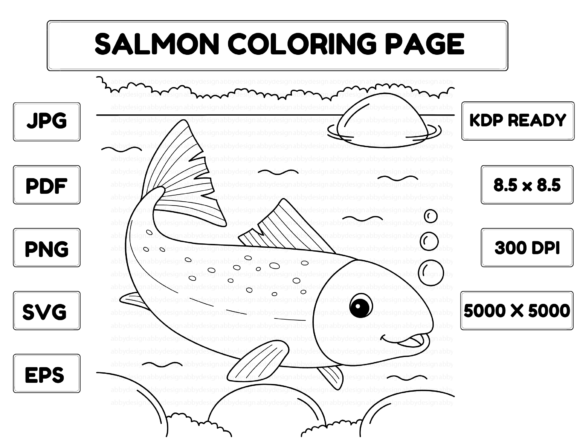
When you’re designing a custom embroidered tote for a client’s child who loves fish, or creating a series of nature-themed patches for a small boutique, you need a graphic that feels both charming and versatile. My first impression of the Salmon Animal Coloring Page for Kids is exactly that. It’s a clean, friendly outline that captures the distinct silhouette of a salmon without overwhelming detail. The mood is playful and educational, perfect for projects aimed at kids or nature enthusiasts.
This Salmon Has a Quiet, Handmade Personality
The design’s personality comes from its simplicity. It’s not a hyper-detailed illustration; it’s an approachable shape. This matters immensely in embroidery, where too many tiny lines can become a muddy mess of stitches. The layout is straightforward—a single, central salmon—making it an excellent candidate for a standalone focal point. For embroidery designers, this means the visual personality is defined by your stitch choices and thread colors, not by pre-set complexity. It feels like a blank canvas waiting for your craft to bring it to life.
A Natural Fit for Personalized Gifts and Boutique Merchandise
In real-life embroidery situations, this salmon design shines on items where a sweet, clear graphic is key. I immediately pictured it on a child’s sweatshirt or a nursery pillow cover. It would stitch out beautifully on a kitchen towel as a unique gift for a fishing enthusiast. For small business merchandise, like an Etsy seller offering custom baby items, this design adds a touch of handmade charm without being overly niche. It’s also a strong candidate for an embroidered patch on a backpack or cap, especially if you’re building a series of animal patches.
The clean outline makes it excellent for printable mockups and digital product previews if you're selling the finished embroidery designs as digital assets. Because it comes in multiple file formats, including SVG and PNG with a transparent background, it’s adaptable for digital previews on apparel mockups before you even thread the machine.
Where This Design Calls for a Practical Approach
While the simplicity is a strength, it also dictates where you should use it carefully. On very small hoop sizes, the main body of the salmon will need to be evaluated—if the design file isn’t optimized for tiny scales, the larger, smooth areas might lose definition. On textured fabrics like thick towels or stretchy fabrics like t-shirts, you’ll need a good stabilizer to keep that smooth outline crisp.
Dark fabric backgrounds require thoughtful thread color contrast; a light salmon outline on a dark blue sweatshirt could be stunning, but you need to test the contrast first. The design lacks tiny intricate corners, which is good, but on curved surfaces like caps, you’d want to check the placement to ensure the entire fish sits comfortably on the curve without distortion. For products that need frequent washing, like baby clothes or aprons, a dense fill stitch in the salmon’s body might hold up better than a sparse running stitch outline—your stitch density choice here directly impacts durability.
How This Simple Salmon Elevates Your Finished Product
From a professional standpoint, using a clear, recognizable design like this Salmon Animal Coloring Page for Kids affects several key areas. It boosts stitching clarity, which in turn enhances product value. A clean, well-executed embroidery conveys quality to customers and builds trust. For handmade presentation, it allows your skill with the machine or needle to be the highlight, not fighting against a cluttered graphic.
For brand consistency, if your small shop focuses on wildlife or children’s themes, this design fits seamlessly into that collection. Its giftability is high—it’s easy to personalize with a name or date added nearby. Ultimately, it supports professionalism because it’s a design that, when embroidered well, looks intentional and crafted, not random. This engages buyers looking for that specific handmade, personal touch.
Essential Designer Notes Before You Stitch
Before committing this design to a client’s wedding gift pillow cover or your next craft fair batch of tote bags, run through these practical steps. Always test the embroidery file on scrap fabric first, preferably a similar material to your final product. Check thread color contrast against your actual fabric—don’t just rely on a screen preview.
Review the stitch density in your embroidery software; you may want to adjust fill areas for speed or durability. Confirm the effective hoop size required; sometimes a design labeled as a coloring page isn’t pre-sized for embroidery, so you’ll need to set that. Inspect any small details, like the fish’s fins, to ensure they’ll translate cleanly into stitches.
It’s wise to test the design in black and white mockups to see its form without color, and compare how it looks on both light and dark fabric backgrounds digitally. Use proper stabilizer for your specific fabric; this is non-negotiable for maintaining clarity. Crucially, check whether the design’s licensing permits use for commercial embroidery projects if you’re selling finished items. The product description notes it’s ready for KDP, but for physical embroidered goods, you must confirm the terms yourself.
A Trustworthy Graphic for Creative Entrepreneurs
For machine embroidery designers, craft business owners, and makers, this Salmon Animal Coloring Page for Kids serves as a reliable, adaptable graphic. It’s not a specialized applique design or a dense satin stitch masterpiece, but its strength is in its open canvas. It invites you to apply your expertise in thread colors, fabric texture, and stitching style to create something uniquely yours. Whether for personalized gifts, custom apparel, or small shop product lines, it’s a design asset that, with careful application, can become a beautifully embroidered finished product that feels both friendly and professionally made.