A Practical Review: Using a Crocodile Coloring Page for Embroidery
First Impressions: Assessing the Design’s Embroidery Potential
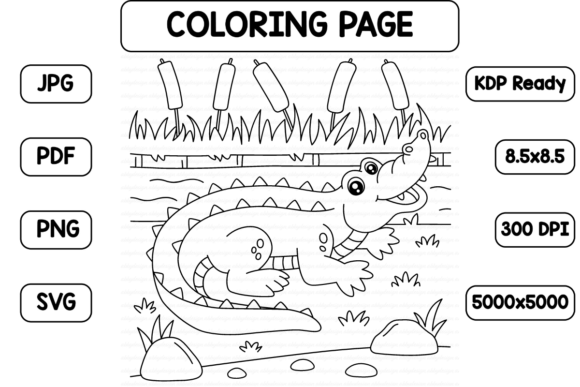
When I download a new digital design for potential embroidery work, my first step is to assess its foundational character. The Crocodile Coloring Page for Kids presents a classic, friendly cartoon crocodile. The mood is playful and approachable, perfect for projects aimed at children or adding a whimsical touch. The shape is well-defined with clean outlines, a crucial feature for translating a graphic into a clean stitch path. The level of detail is manageable—it’s not overly complex, which means it won’t require an excessive number of stitch changes or become a dense, stiff patch on fabric. This visual personality suggests it belongs naturally to projects like children’s apparel, nursery decor, or cheerful gift items.
Where This Crocodile Design Thrives in Real Projects
In practical application, this design’s simplicity is its greatest strength. For a custom embroidered tote bag, the clear outlines would translate into crisp satin stitches or a clean applique, making a durable and attractive bag for a child or a fun, casual accessory. On a baby’s sweatshirt or blanket, the friendly character would stitch out clearly without overwhelming the small garment. As an embroidered patch, it would be straightforward to produce and attach to a backpack or hat.
Thinking about small business merchandise, this Crocodile Coloring Page for Kids could anchor a line of themed products for a boutique—a series of kitchen towels, pillow covers, or aprons with this playful reptilian theme. For holiday gifts, particularly for young recipients, an embroidered cap or a personalized tea towel with this design would feel special and engaging. In my experience, customers react positively to designs that are recognizable, cheerful, and stitch out with high clarity, which this graphic promises.
Navigating the Challenges: Where to Use With Care
No design is universally perfect, and a practical review must consider limitations. The key here is the “coloring page” structure: it’s an outline. When embroidered, the interior areas are open. If you plan to use fill stitches to color the crocodile, you’ll need to create those stitch areas yourself; the file provides the outline framework. This means on very small hoop sizes, like those used for caps or delicate baby clothes, you must be meticulous. Those clean outlines, if digitized with small running stitches, could lose definition on textured or stretchy fabrics without proper stabilizer.
Dark fabric backgrounds require careful thread color selection for contrast—a light green satin stitch outline on a black sweatshirt will pop, but you must test it. Similarly, on curved surfaces like caps, the design’s length and shape should be checked in a mockup to ensure it fits the curvature without distortion. For products needing frequent washing, such as baby items, a design with less dense stitching holds up better; this outline-based approach could be advantageous if you keep the stitch density moderate.
The Impact on Your Craft Business and Customer Trust
Using a well-executed design like this affects your product’s perceived value. A clean, friendly embroidered crocodile on a handmade product signals attention to detail. It supports brand consistency if you’re building a line of playful, child-friendly items. For giftability and recognition, it’s a strong, simple image that resonates immediately. Professionally digitized and stitched, it elevates a simple tea towel or tote into a thoughtful, boutique-quality item. This directly impacts buyer engagement in your Etsy listings or craft fair displays—a clear, appealing embroidery sample attracts eyes and builds trust in your craftsmanship.
Essential Designer Notes Before You Stitch
Before committing this design to a client project or your small shop product lineup, follow these practical steps. First, always test on scrap fabric that matches your final project material. This reveals how the outlines translate to stitches and checks for any unexpected puckering. Assess thread color contrast against your final fabric background—run a test in both light and dark mockups.
Since the product description notes it includes an SVG file, this is typically suitable for vector-based digitizing software, but you must confirm its compatibility with your specific embroidery machine and software. The description also lists PNG with a transparent background, which is excellent for creating printable mockups for your digital product previews or marketing images.
Crucially, review the stitch density if you digitize the outline for embroidery. Too dense satin stitches on small details can be problematic. Inspect small details like the crocodile’s toes and smile in your test run. Use proper stabilizer for the fabric type; this is non-negotiable for professional results. Finally, and this is paramount, check the licensing terms provided with the digital download. Confirm whether it’s cleared for commercial use, allowing you to sell the finished embroidered products, or if it’s for personal use only. Never assume.
A Natural Fit for Creative Entrepreneurs
Ultimately, the Crocodile Coloring Page for Kids serves as a versatile design asset. For embroidery designers and makers, it’s a straightforward graphic that can be adapted—as a simple outline stitch, filled in with color, or used as a base for applique work. It fits into markets for personalized gifts, custom apparel for children, and cheerful home decor. Its simplicity makes it a reliable choice, reducing the risk of a complicated, unsuccessful stitch-out that wastes time and materials. By approaching it with a professional’s practical eye—testing, adapting, and confirming licensing—you can transform this friendly digital coloring page into a durable, attractive element of your handmade product or commercial embroidery project.