Quad Bike Line Art: A Designer’s Embroidery Review
As a designer who regularly translates digital files into stitched reality, I’m always looking for graphics that hold up under the needle. Today, I’m considering the Quad Bike Line Art Illustration for a real project. Let’s walk through what this design offers from an embroiderer’s perspective, not just as a clipart asset.
The First Impression: Clean Lines and Playful Energy
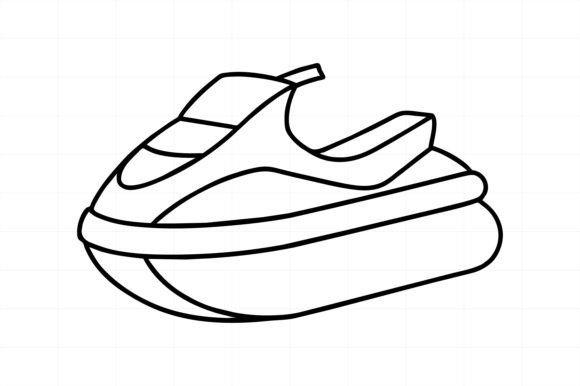
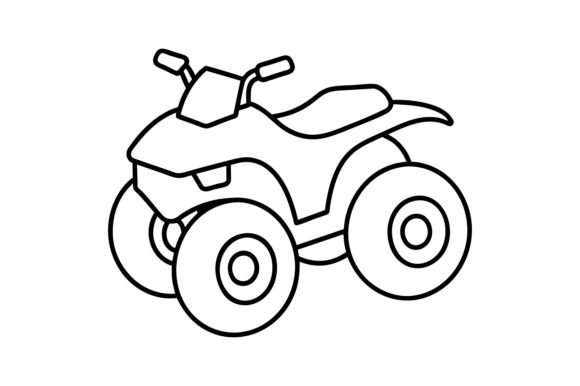
Opening this file, the immediate feel is one of controlled motion. The line art is clean, with a confident, single-weight outline that defines the quad bike’s robust shape. It’s not overly detailed, which is a significant advantage for embroidery. The graphic has a playful, youthful energy—it feels sporty and approachable, not overly technical or aggressive. This visual personality makes it a natural fit for projects aimed at kids, outdoor enthusiasts, or as a general symbol of adventure.
This isn’t a complex illustration meant for a poster; it’s a graphic built for application. The layout is centered and bold, suggesting it’s meant to be a focal point. For an embroidery designer, that means it’s ready to be hooped and stitched without needing major re-composition.
Where This Design Finds Its Stitched Home
Thinking through my upcoming work and client requests, several projects immediately come to mind where this Quad Bike Line Art Illustration would shine.
- Youth Apparel: This is a prime candidate for a child’s sweatshirt, a baby’s blanket, or a toddler’s cap. The playful theme aligns perfectly. I’d consider stitching it on a navy blue hoodie with bright orange thread for high contrast and fun.
- Casual Custom Apparel: For a t-shirt or tote bag for a motorsport fan, this design offers a recognizable yet stylized emblem. It’s more interesting than a simple logo.
- Home Goods with Personality: An embroidered pillow cover for a den or game room, or a kitchen towel for an adventurous household. The line art style keeps it from feeling too heavy.
- The Embroidered Patch: This graphic is practically begging to be made into a patch. Its defined borders and solid interior spaces are ideal for a clean satin stitch border and fill stitches within.
- Personalized Gifts: As a holiday or birthday gift for someone who rides, a monogram or name stitched alongside this bike on an apron or bag would create a thoughtful, handmade presentation.
For Etsy sellers and small shop owners, this graphic also works well in digital product previews and printable mockups to show customers the potential finished product on an item like a cap or tea towel.
Practical Considerations: Where to Exercise Caution
While the design is versatile, successful embroidery relies on matching the asset to the right context. Here are my notes on where to use this quad bike illustration carefully.
- Very Small Hoop Sizes: If you plan to stitch this at a tiny scale (under 3 inches), some of the tighter corners—like around the wheels and handlebars—could become challenging. The lines need space to remain clear.
- Stretchy or Thin Fabrics: On a thin t-shirt without proper stabilizer, the design’s solid areas could cause puckering. It’s best suited for stable fabrics like canvas totes, denim, or sweatshirt material.
- Highly Textured Backgrounds: Stitching this onto a loose-knit blanket or a heavily textured fabric might make the clean lines look fragmented. A smooth fabric base is ideal.
- Dark Fabrics Without Contrast: Using a dark thread on a dark background would lose the entire design. This graphic relies on contrast. On dark garments, plan for a bright, light thread color or consider a small backing patch.
- Curved Surfaces Like Caps: The design is relatively wide. On a curved cap front, ensure the hoop size and placement accommodates the full width without distorting the shape.
The description states it can be used for “anything,” which includes commercial projects. However, as a best practice for any digital embroidery file, I always advise confirming the specific licensing terms before selling finished items or using it in client work for a business.
The Stitching Process: From Digital File to Finished Product
Let’s imagine I’m preparing a custom embroidered tote bag for a client’s small business selling outdoor gear. I’ve chosen this quad bike design. My process would involve several checks to ensure quality.
- Test on Scrap Fabric First: Always the first step. I’d stitch it out on a piece of the same canvas to see how the stitch density behaves, check for any thread breaks in the lines, and observe the overall clarity.
- Evaluate Thread Color Contrast: The design’s impact depends on this. For a natural canvas bag, a dark charcoal or forest green thread would look sophisticated. For a pop of color, a bright red or blue would energize the product.
- Inspect the Small Details: Looking closely at the test stitch, I’d check areas like the bike’s suspension and wheel spokes. Are the lines distinct? Would a slight adjustment in stitch type (like a running stitch versus a satin stitch for outlines) improve it?
- Consider Commercial Appeal: For my client’s merchandise, does this design enhance the product’s value and align with their brand’s adventurous feel? Does it look professionally executed, building customer trust? In this case, the clean, handmade embroidery would likely boost the item’s giftability and recognition.
Because the product is categorized as Illustrations and Graphics, it’s inherently flexible. But in embroidery, that flexibility must be managed. It’s not an applique design by default, so you’re likely looking at fill stitches for the body and satin or running stitches for the outline, depending on your machine embroidery design settings.
Final Designer’s Verdict: A Solid, Versatile Foundation
The Quad Bike Line Art Illustration is a robust graphic foundation for a wide range of embroidery projects. Its strength is its simplicity and strong shape, which translates well into stitchwork. It creates a product with clear visual appeal without overwhelming the fabric.
For craft business owners and creative entrepreneurs, it’s a design asset that can be adapted across many products—from baby embroidery to holiday embroidery gifts—giving your line a cohesive element. For hobbyists making a personalized gift, it’s straightforward to execute with good results.
My practical advice is to embrace its playful mood, pair it with complementary fabrics and thoughtful thread colors, and always run that crucial test stitch. By doing so, you’ll transform this line art illustration into a finished product that feels both handmade and professionally crafted, exactly what today’s customers and gift recipients appreciate.