A Designer's Take on the Wombat Coloring Page for Embroidery
The Warm, Gentle Appeal of a Standalone Wombat
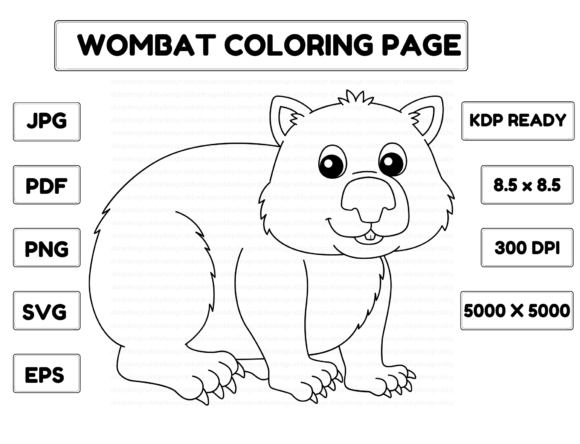
Opening the Wombat Coloring Page Isolated for Kids, my first impression is one of quiet, friendly charm. This isn't a dynamic or fierce illustration; it's a gentle, approachable character sitting in a simple, clean space. The isolated layout means the wombat is the undisputed focus, with no background clutter to complicate an embroidery project. The shape is rounded and soft, which immediately suggests it would translate beautifully into stitches on something meant to be cozy or comforting. The detail level is thoughtful: enough lines to define the features and give the wombat personality, but not so many that it would become a dense, time-consuming stitch-out. This creates a visual personality that is sweet and uncomplicated, perfect for projects where the mood should be warm and inviting.
I can picture this design naturally belonging to a child's item—a baby blanket, a nursery pillow cover, or a soft sweatshirt. But its appeal isn't limited to kids. The simple, clean lines and the universally charming animal theme make it a strong candidate for a personalized gift for an animal lover or a piece of small shop merchandise in a boutique that sells handmade, nature-inspired goods. The isolation of the design gives you, as the maker, complete control. You can place it centrally for a bold statement on a tote bag, or use it as a smaller accent on the corner of a tea towel or apron.
Where This Wombat Shines in Real Projects
Let's walk through a real-life scenario. Imagine you're preparing a custom embroidered sweatshirt as a holiday gift for a friend who adores Australian wildlife. You load the embroidery file. Because the design is provided in multiple formats, including SVG and PNG with a transparent background, you have flexibility. You can easily scale it to fit your desired hoop size without losing clarity. The clean lines mean that when stitched, especially with a crisp satin stitch for the outlines and a fill stitch for the body, the wombat will have excellent stitching clarity. It will look intentional and professional, not blurry or overly busy.
This design performs well across a range of embroidery projects. On custom apparel like t-shirts and sweatshirts, it becomes a delightful focal point. For baby clothes, its gentle aesthetic is perfectly suited. As an embroidered patch, it would be charming and easy to apply. For home goods like pillow covers or blankets, it adds a touch of handmade whimsy. In a craft business context, this wombat could be the star of multiple Etsy listings—the same design used on a tote, a cap, and a kitchen towel creates cohesive brand consistency for your shop.
From a commercial perspective, the visual appeal of a well-stitched, clean animal design directly affects product value and customer trust. It looks cared-for and skillfully made, which enhances the handmade presentation. Its giftability is high because it's universally likable and not overly niche. For digital product sellers, these file formats allow for creating strong printable mockups to showcase the design in your listings, driving buyer engagement.
Considerations for a Successful Stitch-Out
While this wombat is adaptable, there are places to use it carefully. Its success depends on thoughtful execution. On very small hoop sizes, some of the finer internal details might need simplification to prevent stitch crowding. On highly textured fabrics or stretchy fabric, you'll need a good stabilizer to keep those clean lines from distorting. Embroidering on dark fabric requires careful thread color contrast planning; you might opt for brighter, lighter threads so the design pops.
Applying it to curved surfaces like caps demands attention to placement so the design doesn't wrap awkwardly around the seam. While there's no tiny lettering here, the smaller interior lines are worth inspecting during a test run. You want to ensure the stitch density is appropriate so those areas don't become too dense or too sparse. For products that need frequent washing, like baby items or kitchen towels, a robust stitching approach and quality threads will ensure longevity.
Practical Notes from the Worktable
Before committing this wombat to a final project, here are my practical embroidery designer notes. Always, always test the design on scrap fabric first. Use fabric similar to your final project material. This test allows you to review stitch density, check thread color contrast, and confirm hoop size suitability. Inspect small details like the eyes and nose to see how they stitch out.
It's also wise to test it in black and white mockups to understand its form without color, and compare light and dark fabric backgrounds virtually. Remember, a good stabilizer is your best friend for maintaining clarity on any fabric texture. Crucially, since this is a digital asset from the Graphics category, you must check whether the design works for both personal and commercial projects and confirm licensing before selling finished items or digital products. The product description mentions it's ready for KDP, but for physical embroidery projects and small shop product sales, you need to verify the specific terms.
The Final Verdict for Makers and Entrepreneurs
The Wombat Coloring Page Isolated for Kids is a versatile and charming digital embroidery file. Its strength lies in its simplicity and isolated focus, which gives makers tremendous flexibility. It can elevate a simple personalized gift, become a reliable product line for a craft business, or serve as a delightful accent in commercial embroidery for boutique brands. Its mood is gentle and friendly, making it a safe bet for projects where you want to evoke warmth and approachability.
By approaching it with the practical considerations outlined—testing thoroughly, planning for your specific fabric and product, and confirming licensing—you can transform this digital coloring page into a beautiful, professional finished product. It’s a design that doesn’t shout; it quietly and confidently adds value to your work, pleasing both the maker and the eventual customer.